Should you brush your teeth before or after breakfast? Discover the benefits and drawbacks of each method for a healthier smile.


Brushing before breakfast helps clear away the plaque and bacteria that build up overnight. Since saliva production slows down while you sleep, your mouth can become a breeding ground for bacteria, which is why that first brush in the morning feels so refreshing.
Another advantage is protection: brushing before breakfast coats your teeth with fluoride from the toothpaste, giving your enamel a shield against the acids and sugars in your morning meal. This can be especially helpful if you enjoy coffee, juice, or citrus fruits, which temporarily soften enamel.
Of course, the drawback is that food particles and flavors from breakfast can linger, which may leave you wanting to freshen up again. Still, when people ask whether to brush teeth before or after breakfast, this method is often recommended for giving you a clean start and added protection for your teeth.
Brushing after breakfast is a popular choice for those who prefer their teeth to feel freshly cleaned after they have eaten. This method also makes sense if you eat sticky or sugary foods, since brushing afterward can help prevent buildup. However, the timing matters: if your meal includes acidic foods or drinks like orange juice, tomatoes, or coffee, brushing too soon can cause enamel wear. Dentists often recommend waiting 20–30 minutes after eating before brushing to let your saliva neutralize the acids.
The main benefit of brushing after is that it clears away what you’ve just eaten. But it still raises the classic question: should you brush your teeth before or after breakfast? The answer depends on your routine, what you eat, and how soon you can brush without risking enamel wear.
Saliva is your mouth’s natural defense system. It helps wash away food particles, neutralize acids, and protect tooth enamel throughout the day. But during sleep, saliva flow slows down, which is why many people wake up with a dry mouth or “morning breath.”
This overnight drop in saliva allows bacteria to thrive, creating that sticky feeling on your teeth in the morning. Once you start eating or drinking, saliva production ramps back up, helping your mouth recover from the effects of acids and sugars.
Because saliva affects how acids and bacteria interact with your teeth, the question of whether to brush your teeth before breakfast or after breakfast becomes more important. In fact, saliva’s protective role is one of the primary factors in determining whether to brush your teeth before or after breakfast.
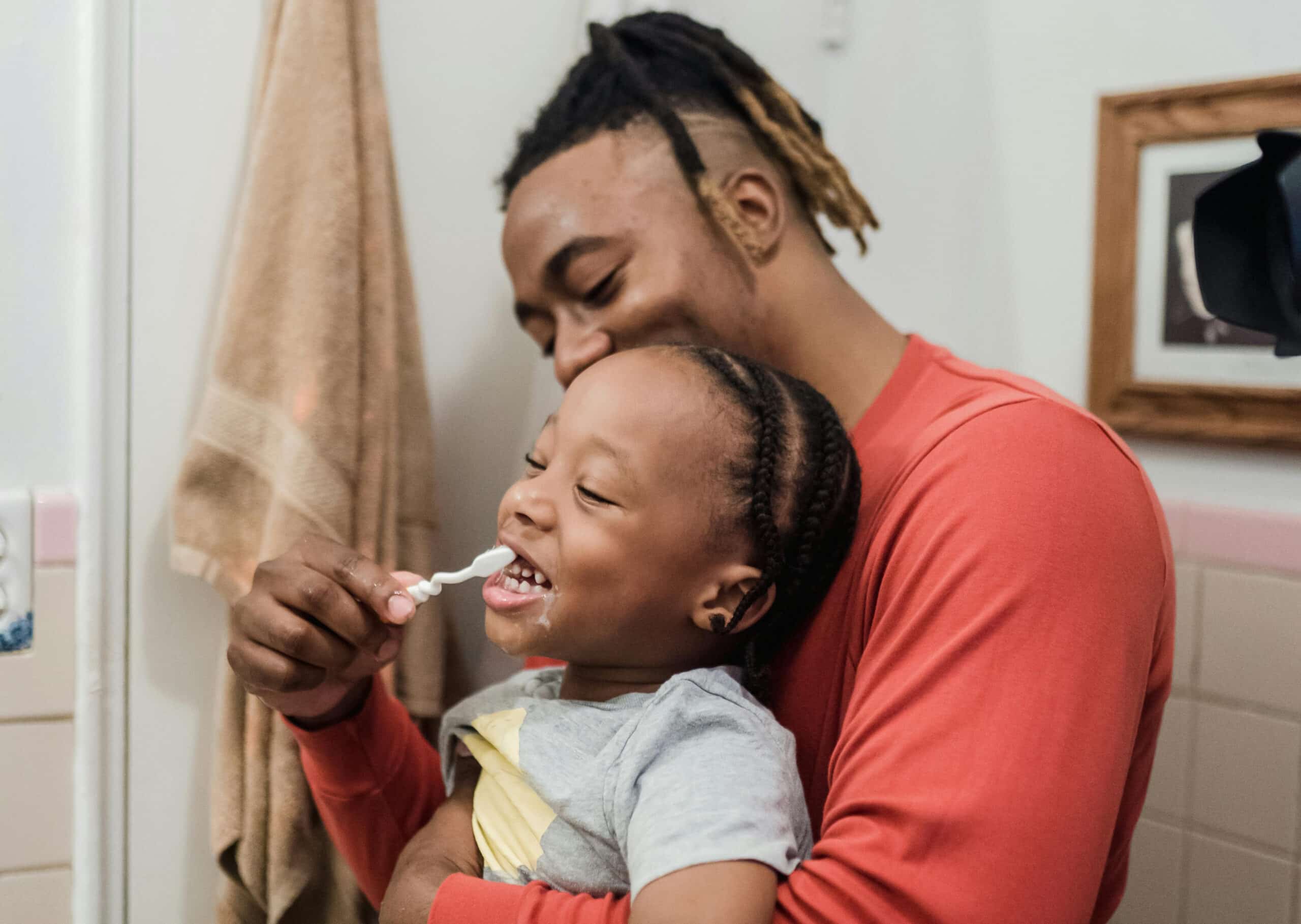
When deciding whether to brush your teeth before breakfast or after breakfast, there’s no one-size-fits-all answer. The right choice often depends on your personal habits, health concerns, and daily routine.
Diet: If your morning meal includes acidic foods or drinks like citrus, coffee, or juice, brushing right after can weaken enamel that’s temporarily softened by acid. In this case, brushing beforehand may be safer.
Lifestyle: For those who eat breakfast on the go or skip it altogether, brushing before breakfast ensures you don’t head out the door with bacteria and plaque from the night before. On the other hand, if you always sit down to eat at home, brushing after breakfast might fit more naturally into your routine.
Oral Health Goals: People prone to cavities, gum issues, or dry mouth may benefit more from brushing before breakfast to remove overnight bacteria buildup. Others may prefer brushing afterward to freshen their breath and clear away food particles from the meal.
By considering these factors, you can tailor your morning routine to match both your lifestyle and your oral health needs — and guide you in deciding should you brush your teeth before or after breakfast.
After considering the factors that influence your choice, it can help to look at the pros and cons of brushing before and after breakfast. Seeing them side by side makes it easier to decide which routine fits your needs.
Pros:
Removes overnight bacteria and plaque buildup.
Protects enamel from acids in your morning meal.
Freshens breath before eating.
Cons:
Breakfast may leave food particles and sugars behind, so you may still need to rinse afterward.
Some people feel less “clean” while eating if they haven’t brushed yet.
Pros:
Clears away food particles and sugars from your meal.
Leaves your mouth feeling freshly cleaned after eating.
Cons:
Brushing immediately after acidic foods or drinks can weaken enamel.
May allow bacteria to accumulate overnight if breakfast is delayed or skipped.
By weighing these benefits and drawbacks, you can decide whether you want to brush your teeth before or after breakfast to best suit your routine and oral health goals.

It can be if your breakfast includes acidic foods or drinks. Brushing immediately can push acids into the softened enamel from your meal. Waiting 30 minutes or rinsing with water first reduces the risk.
Yes, brushing twice in the morning is fine as long as you’re gentle on your enamel. Many people choose to brush lightly before breakfast and more thoroughly afterward for maximum protection.
Mouthwash helps freshen breath and reduce bacteria, but it doesn’t remove plaque or food particles like brushing does. It’s best used in addition to brushing, not as a replacement.
So, should you brush your teeth before or after breakfast? The truth is, the best routine depends on your lifestyle and oral health needs. Both approaches have benefits, and understanding the science behind them can help you make the choice that works best for you.
If you’re ready to optimize your morning routine and protect your smile, our friendly team is here to help. If you live in Fort Collins or Northern Colorado, give us a call to schedule a consultation or just ask your questions — we love helping our community keep their teeth healthy and strong.
Brushing before breakfast helps clear away the plaque and bacteria that build up overnight. Since saliva production slows down while you sleep, your mouth can become a breeding ground for bacteria, which is why that first brush in the morning feels so refreshing.
Another advantage is protection: brushing before breakfast coats your teeth with fluoride from the toothpaste, giving your enamel a shield against the acids and sugars in your morning meal. This can be especially helpful if you enjoy coffee, juice, or citrus fruits, which temporarily soften enamel.
Of course, the drawback is that food particles and flavors from breakfast can linger, which may leave you wanting to freshen up again. Still, when people ask whether to brush teeth before or after breakfast, this method is often recommended for giving you a clean start and added protection for your teeth.
Brushing after breakfast is a popular choice for those who prefer their teeth to feel freshly cleaned after they have eaten. This method also makes sense if you eat sticky or sugary foods, since brushing afterward can help prevent buildup. However, the timing matters: if your meal includes acidic foods or drinks like orange juice, tomatoes, or coffee, brushing too soon can cause enamel wear. Dentists often recommend waiting 20–30 minutes after eating before brushing to let your saliva neutralize the acids.
The main benefit of brushing after is that it clears away what you’ve just eaten. But it still raises the classic question: should you brush your teeth before or after breakfast? The answer depends on your routine, what you eat, and how soon you can brush without risking enamel wear.
Saliva is your mouth’s natural defense system. It helps wash away food particles, neutralize acids, and protect tooth enamel throughout the day. But during sleep, saliva flow slows down, which is why many people wake up with a dry mouth or “morning breath.”
This overnight drop in saliva allows bacteria to thrive, creating that sticky feeling on your teeth in the morning. Once you start eating or drinking, saliva production ramps back up, helping your mouth recover from the effects of acids and sugars.
Because saliva affects how acids and bacteria interact with your teeth, the question of whether to brush your teeth before breakfast or after breakfast becomes more important. In fact, saliva’s protective role is one of the primary factors in determining whether to brush your teeth before or after breakfast.
When deciding whether to brush your teeth before breakfast or after breakfast, there’s no one-size-fits-all answer. The right choice often depends on your personal habits, health concerns, and daily routine.
Diet: If your morning meal includes acidic foods or drinks like citrus, coffee, or juice, brushing right after can weaken enamel that’s temporarily softened by acid. In this case, brushing beforehand may be safer.
Lifestyle: For those who eat breakfast on the go or skip it altogether, brushing before breakfast ensures you don’t head out the door with bacteria and plaque from the night before. On the other hand, if you always sit down to eat at home, brushing after breakfast might fit more naturally into your routine.
Oral Health Goals: People prone to cavities, gum issues, or dry mouth may benefit more from brushing before breakfast to remove overnight bacteria buildup. Others may prefer brushing afterward to freshen their breath and clear away food particles from the meal.
By considering these factors, you can tailor your morning routine to match both your lifestyle and your oral health needs — and guide you in deciding should you brush your teeth before or after breakfast.
After considering the factors that influence your choice, it can help to look at the pros and cons of brushing before and after breakfast. Seeing them side by side makes it easier to decide which routine fits your needs.
Pros:
Removes overnight bacteria and plaque buildup.
Protects enamel from acids in your morning meal.
Freshens breath before eating.
Cons:
Breakfast may leave food particles and sugars behind, so you may still need to rinse afterward.
Some people feel less “clean” while eating if they haven’t brushed yet.
Pros:
Clears away food particles and sugars from your meal.
Leaves your mouth feeling freshly cleaned after eating.
Cons:
Brushing immediately after acidic foods or drinks can weaken enamel.
May allow bacteria to accumulate overnight if breakfast is delayed or skipped.
By weighing these benefits and drawbacks, you can decide whether you want to brush your teeth before or after breakfast to best suit your routine and oral health goals.
It can be if your breakfast includes acidic foods or drinks. Brushing immediately can push acids into the softened enamel from your meal. Waiting 30 minutes or rinsing with water first reduces the risk.
Yes, brushing twice in the morning is fine as long as you’re gentle on your enamel. Many people choose to brush lightly before breakfast and more thoroughly afterward for maximum protection.
Mouthwash helps freshen breath and reduce bacteria, but it doesn’t remove plaque or food particles like brushing does. It’s best used in addition to brushing, not as a replacement.
So, should you brush your teeth before or after breakfast? The truth is, the best routine depends on your lifestyle and oral health needs. Both approaches have benefits, and understanding the science behind them can help you make the choice that works best for you.
If you’re ready to optimize your morning routine and protect your smile, our friendly team is here to help. If you live in Fort Collins or Northern Colorado, give us a call to schedule a consultation or just ask your questions — we love helping our community keep their teeth healthy and strong.