Learn how common habits like brushing too hard or teeth grinding damage enamel and gums, plus simple ways to protect your dental health.


Teeth grinding damage, also known as bruxism, is one of the most common causes of tooth wear and jaw discomfort. Many people grind their teeth without realizing it, especially during sleep or stressful situations. Over time, this can wear down enamel, cause tooth sensitivity, lead to cracked fillings, and even cause headaches.
If you wake up with sore jaws or notice flat edges on your teeth, it’s a good idea to schedule a visit. We offer custom night guards along with specialized TMJ and bruxism treatments to protect your smile and prevent further wear.
It may seem harmless, but chewing ice can damage your teeth more than most people realize. The hard texture can cause tiny fractures in your enamel, which may eventually lead to chips, sensitivity, or even broken teeth. Over time, those small cracks also make it easier for bacteria to enter, increasing your risk of cavities and infection.
If you love the crunch, try swapping ice for chilled fruits or vegetables like carrots or cucumber slices. They deliver the same refreshing texture without the risk of enamel damage.
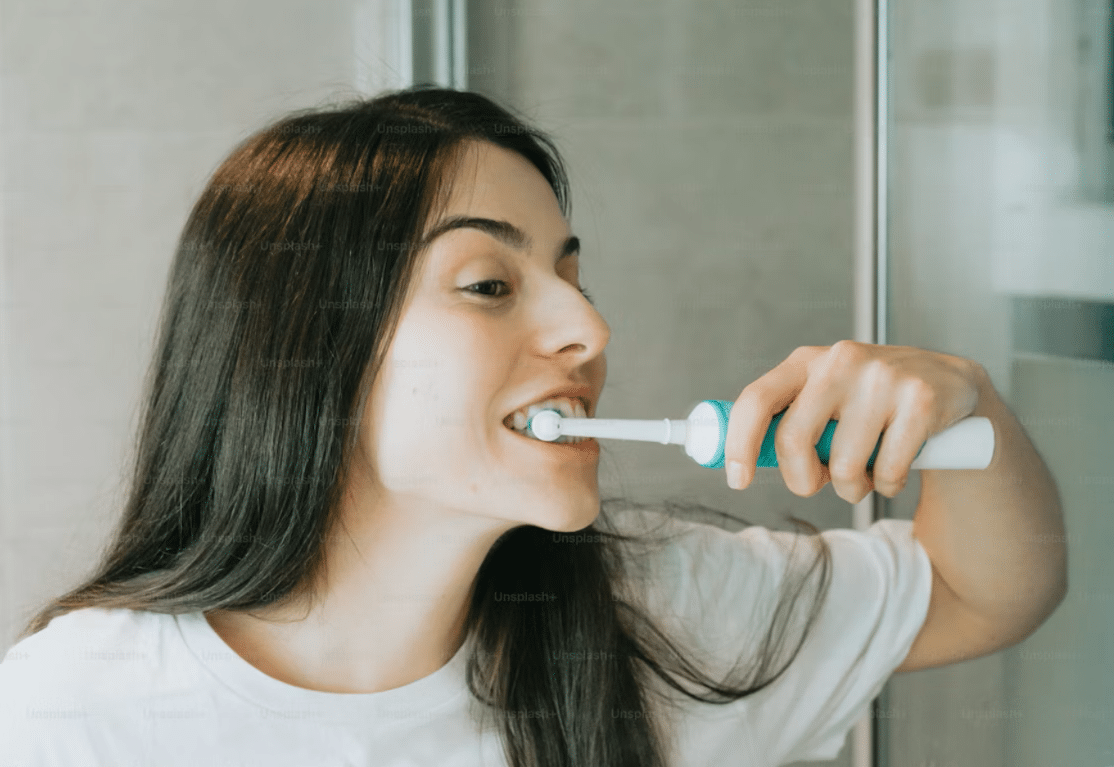
Brushing your teeth hard or often might seem like a good idea, but it can actually do more harm than good. Over-brushing can wear away enamel and irritate your gums, leading to recession and sensitivity. It’s not about brushing harder; it’s about brushing smarter.
We recommend using a soft-bristled toothbrush and gentle, circular motions for two minutes twice a day. Think of it as massaging your gums rather than scrubbing your teeth. Paired with regular dental checkups, this simple habit helps keep your smile strong without unnecessary damage.

You probably know that sugary treats and sodas can hurt your teeth, but other foods that are harmful for your teeth might surprise you. Acidic foods like citrus fruits, vinegar-based dressings, and even sparkling water can slowly erode enamel. Sticky snacks, like dried fruit or chewy candies, can cling to teeth and feed cavity-causing bacteria.
To protect your enamel, rinse your mouth with water after eating and wait at least 30 minutes before brushing. Moderation and timing make a big difference. And if you’re in Northern Colorado and looking for individualized support, our dental team can provide clear, professional advice on how your diet influences long-term oral health.
Small stress-related habits, like biting your nails or chewing on pens, can cause gradual but significant damage to your teeth. These actions place unnecessary pressure on your enamel and can shift your teeth out of alignment over time. They may also introduce bacteria into your mouth, raising your risk for infection.
To break the habit, try keeping your hands busy or chewing sugar-free gum instead. Building awareness of these patterns is often the first step toward protecting your teeth and reducing unnecessary wear.
It’s tempting to use your teeth to tear open packaging, bite off tags, or even loosen a stubborn bottle cap, but this habit can cause serious damage over time. Your teeth are designed for chewing food — not for cutting, prying, or pulling. When used as tools, they can chip or crack easily, especially if there are existing weak spots in your enamel.
Even small chips can expose the inner layers of your teeth, making them more vulnerable to decay and sensitivity. Over time, this can lead to more costly dental work like bonding or crowns. Instead, keep scissors or the right tools handy to avoid the temptation.
Signs of enamel wear include increased tooth sensitivity, visible grooves or flattening on chewing surfaces, and teeth that appear slightly translucent at the edges. Regular dental checkups are essential to catch early wear before it leads to more serious issues.
While sugar-free drinks are better than regular soda, acidic beverages (like diet soda, sparkling water, or energy drinks) can still erode enamel over time. Rinsing with water afterward and limiting intake helps protect your teeth from damage.
Yes. Stress can contribute to teeth grinding or jaw clenching, which leads to enamel wear, sensitivity, and jaw pain. Relaxation techniques, proper sleep, and consulting your dentist about night guards can help protect your teeth.
Many habits that may seem harmless can quietly harm your teeth over time. Everyday behaviors like teeth grinding can damage enamel, and even foods harmful for teeth can gradually take a toll, affecting your smile and overall oral health. If you’re in the Fort Collins area, schedule an appointment with our team for personalized guidance and preventive care tailored to your needs. A few mindful changes today can make a lasting difference for your oral health tomorrow.
Teeth grinding damage, also known as bruxism, is one of the most common causes of tooth wear and jaw discomfort. Many people grind their teeth without realizing it, especially during sleep or stressful situations. Over time, this can wear down enamel, cause tooth sensitivity, lead to cracked fillings, and even cause headaches.
If you wake up with sore jaws or notice flat edges on your teeth, it’s a good idea to schedule a visit. We offer custom night guards along with specialized TMJ and bruxism treatments to protect your smile and prevent further wear.
It may seem harmless, but chewing ice can damage your teeth more than most people realize. The hard texture can cause tiny fractures in your enamel, which may eventually lead to chips, sensitivity, or even broken teeth. Over time, those small cracks also make it easier for bacteria to enter, increasing your risk of cavities and infection.
If you love the crunch, try swapping ice for chilled fruits or vegetables like carrots or cucumber slices. They deliver the same refreshing texture without the risk of enamel damage.
Brushing your teeth hard or often might seem like a good idea, but it can actually do more harm than good. Over-brushing can wear away enamel and irritate your gums, leading to recession and sensitivity. It’s not about brushing harder; it’s about brushing smarter.
We recommend using a soft-bristled toothbrush and gentle, circular motions for two minutes twice a day. Think of it as massaging your gums rather than scrubbing your teeth. Paired with regular dental checkups, this simple habit helps keep your smile strong without unnecessary damage.
You probably know that sugary treats and sodas can hurt your teeth, but other foods that are harmful for your teeth might surprise you. Acidic foods like citrus fruits, vinegar-based dressings, and even sparkling water can slowly erode enamel. Sticky snacks, like dried fruit or chewy candies, can cling to teeth and feed cavity-causing bacteria.
To protect your enamel, rinse your mouth with water after eating and wait at least 30 minutes before brushing. Moderation and timing make a big difference. And if you’re in Northern Colorado and looking for individualized support, our dental team can provide clear, professional advice on how your diet influences long-term oral health.
Small stress-related habits, like biting your nails or chewing on pens, can cause gradual but significant damage to your teeth. These actions place unnecessary pressure on your enamel and can shift your teeth out of alignment over time. They may also introduce bacteria into your mouth, raising your risk for infection.
To break the habit, try keeping your hands busy or chewing sugar-free gum instead. Building awareness of these patterns is often the first step toward protecting your teeth and reducing unnecessary wear.
It’s tempting to use your teeth to tear open packaging, bite off tags, or even loosen a stubborn bottle cap, but this habit can cause serious damage over time. Your teeth are designed for chewing food — not for cutting, prying, or pulling. When used as tools, they can chip or crack easily, especially if there are existing weak spots in your enamel.
Even small chips can expose the inner layers of your teeth, making them more vulnerable to decay and sensitivity. Over time, this can lead to more costly dental work like bonding or crowns. Instead, keep scissors or the right tools handy to avoid the temptation.
Signs of enamel wear include increased tooth sensitivity, visible grooves or flattening on chewing surfaces, and teeth that appear slightly translucent at the edges. Regular dental checkups are essential to catch early wear before it leads to more serious issues.
While sugar-free drinks are better than regular soda, acidic beverages (like diet soda, sparkling water, or energy drinks) can still erode enamel over time. Rinsing with water afterward and limiting intake helps protect your teeth from damage.
Yes. Stress can contribute to teeth grinding or jaw clenching, which leads to enamel wear, sensitivity, and jaw pain. Relaxation techniques, proper sleep, and consulting your dentist about night guards can help protect your teeth.
Many habits that may seem harmless can quietly harm your teeth over time. Everyday behaviors like teeth grinding can damage enamel, and even foods harmful for teeth can gradually take a toll, affecting your smile and overall oral health. If you’re in the Fort Collins area, schedule an appointment with our team for personalized guidance and preventive care tailored to your needs. A few mindful changes today can make a lasting difference for your oral health tomorrow.