Don’t let dental myths damage your smile. Learn the truth behind common misconceptions about brushing, flossing, whitening, and dental care.

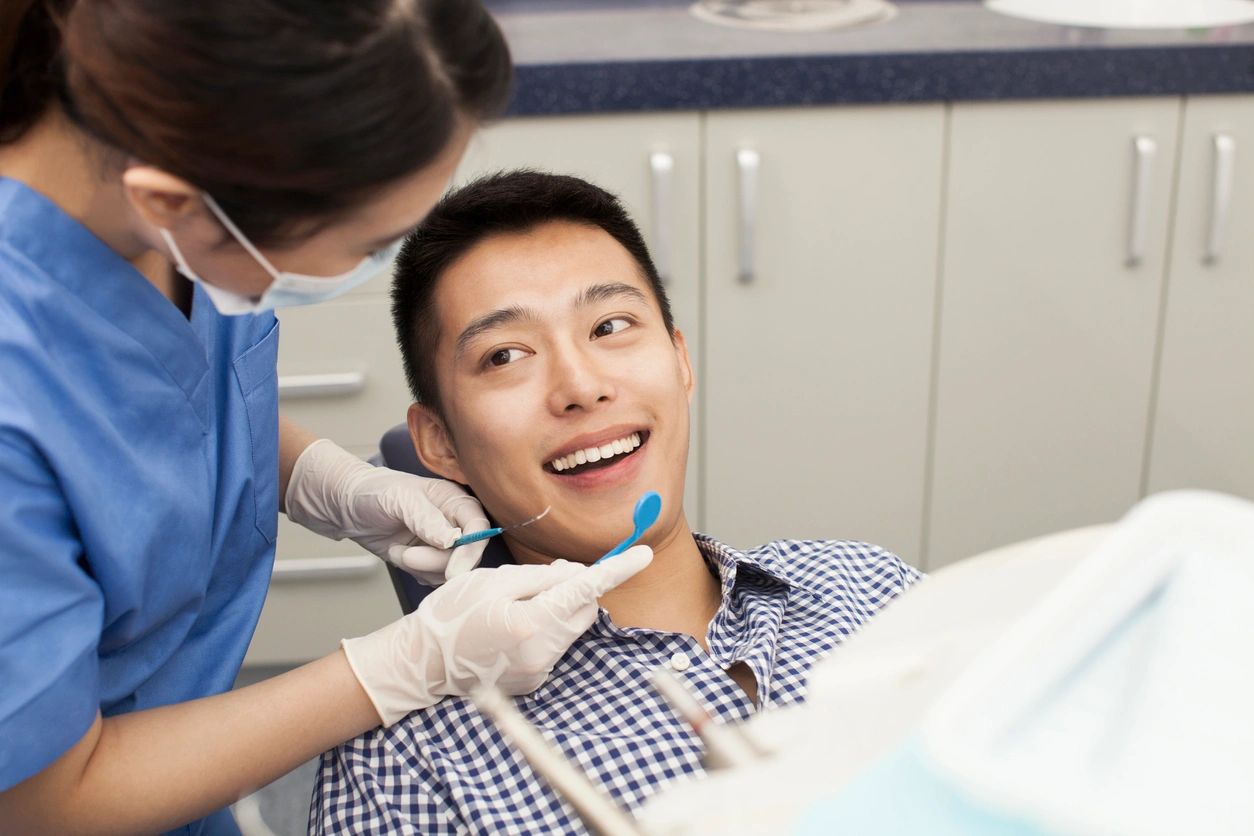
This is one of the most damaging dental myths out there. Pain is actually a late-stage symptom of many dental problems. By the time a toothache develops, you might be looking at significant decay, infection, or gum disease that could have been caught much earlier during a routine checkup.
Regular dental visits allow your dentist to spot cavities, gum inflammation, oral cancer signs, and other issues before they become painful or complicated. Most dental problems progress silently at first, which is exactly why preventive care matters so much. Catching issues early is also far more affordable than treating advanced problems, saving you both discomfort and money. Like many common dental myths, this misconception can lead to unnecessary pain and expense. If you’re in the Northern Colorado area and have been putting off a dental visit, now is the perfect time to schedule. We can assess your oral health at intervals that make sense for your individual needs, catching problems while they’re still simple to treat.
Many people believe that scrubbing harder will get their teeth cleaner, but this is one of the most damaging dental myths. Aggressive brushing wears down tooth enamel and irritates your gums, potentially leading to sensitivity and recession. Your gums can pull back from your teeth when brushed too forcefully, exposing sensitive root surfaces.
The truth is that technique matters more than pressure. Use a soft-bristled toothbrush and gentle, circular motions to clean effectively without causing damage. Brush for two full minutes twice daily, making sure to reach all surfaces of your teeth. This simple habit, done correctly, protects your smile far better than aggressive scrubbing ever could. If you’re unsure whether you’re brushing correctly, ask your dentist or hygienist to demonstrate proper technique during your next visit.

While sugar certainly contributes to tooth decay, this oral health myth oversimplifies how cavities form. The real culprit is acid produced by bacteria in your mouth. These bacteria feed on carbohydrates of all kinds, not just sugar. Chips, bread, crackers, and even seemingly healthy foods like dried fruit can fuel the bacteria that produce enamel-eroding acid.
Frequency matters as much as quantity. Sipping sugary or acidic drinks throughout the day keeps your teeth under constant attack, while eating sweets in one sitting and then brushing gives your mouth time to recover. Saliva naturally helps neutralize acid and remineralize your teeth, but it needs time to do its job. Understanding these dental myths and facts helps you make smarter choices about when and what you eat.
This is one of the most harmful dental care myths for children. Baby teeth serve crucial functions beyond chewing. They hold space for permanent teeth, help with speech development, and contribute to proper jaw growth. When baby teeth are lost prematurely due to decay, neighboring teeth can shift into the gap, leaving insufficient room for the permanent tooth to come in properly.
Cavities in baby teeth can also cause pain and infection, and the bacteria involved can affect developing permanent teeth beneath the gums. Teaching good oral hygiene habits early sets children up for a lifetime of better dental health.
This is one of the most common dental myths, keeping many people from brightening their smiles. Professional whitening treatments, whether done in-office or with dentist-supervised at-home kits, are safe when used as directed. The active ingredients may cause temporary sensitivity in some people, but they don’t harm tooth structure or weaken enamel.
The confusion often comes from the misuse of over-the-counter products or from outdated whitening methods. Your dentist can recommend the safest and most effective whitening option for your specific situation, taking into account any existing dental work, sensitivity issues, or enamel concerns. Professional guidance ensures you get the results you want without unnecessary risks.

Yes, brushing alone can’t reach the tight spaces between your teeth where food particles and plaque accumulate. Flossing removes debris and bacteria from these areas, helping prevent cavities and gum disease. Even the best brushing technique misses about 35% of tooth surfaces, making flossing an essential part of your daily routine rather than an optional extra. Don’t let oral health myths convince you otherwise. Flossing is a non-negotiable part of good dental care.
Modern dental X-rays expose you to extremely low levels of radiation, comparable to the amount you’d receive during a short airplane flight. Your dentist uses protective measures and only takes X-rays when diagnostically necessary. The benefits of detecting hidden problems far outweigh the minimal radiation exposure, making this safety concern largely unfounded. This is one of many common dental myths that prevent people from getting necessary diagnostic care.
Not necessarily, though delaying care does increase the likelihood of needing more extensive treatment. Many dental procedures are now far less uncomfortable than people expect, thanks to modern anesthetics and techniques. If you’re in the Fort Collins area, our team can discuss sedation options if you’re anxious, and they’ll work with you to prioritize treatments and create a manageable plan.
Don’t let dental myths prevent you from getting the care you need or practicing proper oral hygiene. Understanding the science-backed truth helps you protect your smile and avoid unnecessary problems down the road. Many teeth myths and oral health myths have been passed down for generations, but understanding the science-backed truth helps you protect your smile and avoid unnecessary problems down the road. Separating dental myths and facts empowers you to make informed decisions about your oral health. Whether you’re overdue for a checkup or simply want to improve your daily oral care routine, taking action today means healthier teeth tomorrow. If you have questions about dental myths or want to schedule a visit, contact our team in Fort Collins, Colorado. We’re here to separate fact from fiction and help you achieve your best oral health in a comfortable, welcoming environment.
This is one of the most damaging dental myths out there. Pain is actually a late-stage symptom of many dental problems. By the time a toothache develops, you might be looking at significant decay, infection, or gum disease that could have been caught much earlier during a routine checkup.
Regular dental visits allow your dentist to spot cavities, gum inflammation, oral cancer signs, and other issues before they become painful or complicated. Most dental problems progress silently at first, which is exactly why preventive care matters so much. Catching issues early is also far more affordable than treating advanced problems, saving you both discomfort and money. Like many common dental myths, this misconception can lead to unnecessary pain and expense. If you’re in the Northern Colorado area and have been putting off a dental visit, now is the perfect time to schedule. We can assess your oral health at intervals that make sense for your individual needs, catching problems while they’re still simple to treat.
Many people believe that scrubbing harder will get their teeth cleaner, but this is one of the most damaging dental myths. Aggressive brushing wears down tooth enamel and irritates your gums, potentially leading to sensitivity and recession. Your gums can pull back from your teeth when brushed too forcefully, exposing sensitive root surfaces.
The truth is that technique matters more than pressure. Use a soft-bristled toothbrush and gentle, circular motions to clean effectively without causing damage. Brush for two full minutes twice daily, making sure to reach all surfaces of your teeth. This simple habit, done correctly, protects your smile far better than aggressive scrubbing ever could. If you’re unsure whether you’re brushing correctly, ask your dentist or hygienist to demonstrate proper technique during your next visit.
While sugar certainly contributes to tooth decay, this oral health myth oversimplifies how cavities form. The real culprit is acid produced by bacteria in your mouth. These bacteria feed on carbohydrates of all kinds, not just sugar. Chips, bread, crackers, and even seemingly healthy foods like dried fruit can fuel the bacteria that produce enamel-eroding acid.
Frequency matters as much as quantity. Sipping sugary or acidic drinks throughout the day keeps your teeth under constant attack, while eating sweets in one sitting and then brushing gives your mouth time to recover. Saliva naturally helps neutralize acid and remineralize your teeth, but it needs time to do its job. Understanding these dental myths and facts helps you make smarter choices about when and what you eat.
This is one of the most harmful dental care myths for children. Baby teeth serve crucial functions beyond chewing. They hold space for permanent teeth, help with speech development, and contribute to proper jaw growth. When baby teeth are lost prematurely due to decay, neighboring teeth can shift into the gap, leaving insufficient room for the permanent tooth to come in properly.
Cavities in baby teeth can also cause pain and infection, and the bacteria involved can affect developing permanent teeth beneath the gums. Teaching good oral hygiene habits early sets children up for a lifetime of better dental health.
This is one of the most common dental myths, keeping many people from brightening their smiles. Professional whitening treatments, whether done in-office or with dentist-supervised at-home kits, are safe when used as directed. The active ingredients may cause temporary sensitivity in some people, but they don’t harm tooth structure or weaken enamel.
The confusion often comes from the misuse of over-the-counter products or from outdated whitening methods. Your dentist can recommend the safest and most effective whitening option for your specific situation, taking into account any existing dental work, sensitivity issues, or enamel concerns. Professional guidance ensures you get the results you want without unnecessary risks.
Yes, brushing alone can’t reach the tight spaces between your teeth where food particles and plaque accumulate. Flossing removes debris and bacteria from these areas, helping prevent cavities and gum disease. Even the best brushing technique misses about 35% of tooth surfaces, making flossing an essential part of your daily routine rather than an optional extra. Don’t let oral health myths convince you otherwise. Flossing is a non-negotiable part of good dental care.
Modern dental X-rays expose you to extremely low levels of radiation, comparable to the amount you’d receive during a short airplane flight. Your dentist uses protective measures and only takes X-rays when diagnostically necessary. The benefits of detecting hidden problems far outweigh the minimal radiation exposure, making this safety concern largely unfounded. This is one of many common dental myths that prevent people from getting necessary diagnostic care.
Not necessarily, though delaying care does increase the likelihood of needing more extensive treatment. Many dental procedures are now far less uncomfortable than people expect, thanks to modern anesthetics and techniques. If you’re in the Fort Collins area, our team can discuss sedation options if you’re anxious, and they’ll work with you to prioritize treatments and create a manageable plan.
Don’t let dental myths prevent you from getting the care you need or practicing proper oral hygiene. Understanding the science-backed truth helps you protect your smile and avoid unnecessary problems down the road. Many teeth myths and oral health myths have been passed down for generations, but understanding the science-backed truth helps you protect your smile and avoid unnecessary problems down the road. Separating dental myths and facts empowers you to make informed decisions about your oral health. Whether you’re overdue for a checkup or simply want to improve your daily oral care routine, taking action today means healthier teeth tomorrow. If you have questions about dental myths or want to schedule a visit, contact our team in Fort Collins, Colorado. We’re here to separate fact from fiction and help you achieve your best oral health in a comfortable, welcoming environment.