Discover the benefits of flossing for healthier gums, cleaner teeth, fresher breath, and a brighter, healthier smile every day.


Many people underestimate the importance of flossing because they assume brushing is enough. The truth is, a toothbrush can’t reach every surface of your teeth. Tight spaces between teeth are hiding spots for bacteria, and over time, this buildup can lead to serious oral health issues. Flossing reaches these areas, giving you a complete clean every day. Whether you use traditional string floss, a water flosser, or interdental brushes, the goal is the same: cleaner teeth, healthier gums, and a better smile.
Even the most thorough brushing can’t reach into every nook and cranny. The spaces between teeth and just under the gumline are prime spots for plaque buildup, and this is where flossing shines. One of the top benefits of flossing is its ability to clean these hard-to-reach areas, removing plaque before it can harden into tartar.
Once tartar forms, it can only be removed by a dental professional. If left untreated, tartar buildup can contribute to tooth decay and gum inflammation. One of the benefits of flossing daily is that it helps stimulate the gums, promoting circulation and keeping them firm and healthy. This simple, inexpensive habit plays a critical role in avoiding more serious dental problems down the road.
Healthy gums are the foundation of a healthy smile. Skipping flossing allows bacteria to accumulate along the gumline, increasing the risk of gingivitis, the earliest stage of gum disease. Common symptoms include redness, swelling, and bleeding when you brush or floss. Fortunately, gingivitis is reversible with consistent daily care.
What’s more, the benefits of flossing daily extend beyond your mouth. Research shows that gum disease is linked to other health issues such as heart disease, diabetes, and certain respiratory illnesses. Oral bacteria can enter the bloodstream through inflamed gum tissue, potentially affecting overall health. Along with regular dental checkups, daily flossing reduces plaque buildup and keeps gum tissue healthy, which lowers your risk for a number of health issues throughout the body.
Food particles trapped between teeth don’t just threaten your oral health; they can also cause bad breath. As these particles break down, they release unpleasant odors that regular brushing may not fully eliminate. Flossing removes debris before it has the chance to cause odor, keeping your breath fresher throughout the day.
Another lesser-known benefit of flossing is its impact on your smile’s appearance. Plaque and tartar can cause yellowing and dullness over time. By maintaining clean surfaces between teeth, you reduce the chances of staining and keep your smile naturally brighter. Pairing flossing with regular dental cleanings ensures your teeth look and feel their best.
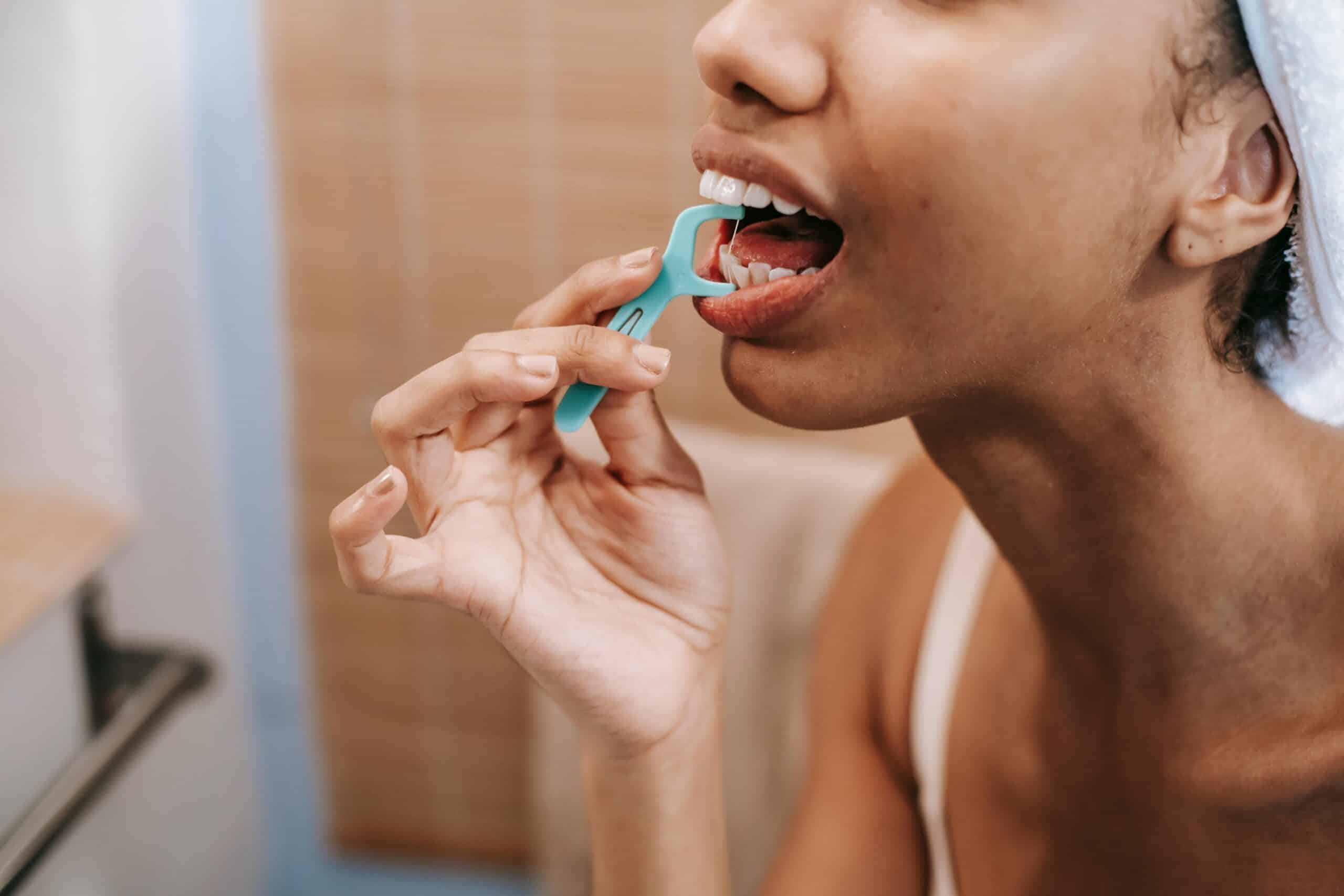
Preventive care is always easier and less costly than restorative treatment. Flossing regularly can help you avoid cavities between teeth, reduce the risk of gum disease, and minimize the likelihood of needing complex dental procedures. Each cavity avoided is a filling you don’t have to pay for and a dental visit you don’t have to schedule.
If you’ve ever wondered why dental floss is important, the financial and time-saving aspects alone make it worthwhile. It’s one of the simplest, most affordable tools in your oral care routine, and the payoff can be significant. If you’re near Fort Collins, Colorado, our team can help you create a personalized preventive care plan, including guidance on the most effective flossing techniques for your needs.
Flossing effectively isn’t just about doing it. It’s about doing it the right way. Start with about 18 inches of floss, winding most of it around your middle fingers and leaving a few inches to work with. Gently guide the floss between your teeth using a back-and-forth motion, being careful not to snap it against your gums. Curve the floss into a C-shape against each tooth and move it up and down to remove plaque along the gumline.
If traditional floss feels tricky, consider floss picks or water flossers. The key is to make flossing a consistent part of your daily routine, ideally at the same time each day, so it becomes a habit. Keep floss in a visible spot near your toothbrush to remind yourself to use it, and take your time to ensure you’re cleaning every space thoroughly.
Dentists recommend flossing at least once a day to remove plaque and food particles from between your teeth. The habit is most effective when it’s done consistently, whether in the morning or at night. The benefits of flossing daily include healthier gums, fewer cavities in tight spaces, and a cleaner, fresher mouth overall.
There’s no strict rule, but flossing before brushing can be especially effective. It removes plaque and debris first, allowing fluoride from your toothpaste to coat the teeth more thoroughly. The main goal is to make flossing part of your routine, so choose whichever order you’re most likely to stick with.
Yes. While traditional string floss is a reliable and cost-effective choice, floss picks and water flossers can be great options, especially for people with braces, dental bridges, or limited dexterity. The key is to clean between your teeth daily, regardless of the tool you choose.
The benefits of flossing go far beyond simply removing food particles. This small daily habit helps prevent gum disease, maintain fresh breath, brighten your smile, and support overall health.
If you live in Northern Colorado, our friendly dental team is here to help you achieve and maintain your best smile. From routine cleanings to personalized oral health plans, we can guide you toward a lifetime of healthy, confident teeth. The benefits of flossing are clear: healthier gums, cleaner teeth, and a brighter, fresher smile for years to come.
Many people underestimate the importance of flossing because they assume brushing is enough. The truth is, a toothbrush can’t reach every surface of your teeth. Tight spaces between teeth are hiding spots for bacteria, and over time, this buildup can lead to serious oral health issues. Flossing reaches these areas, giving you a complete clean every day. Whether you use traditional string floss, a water flosser, or interdental brushes, the goal is the same: cleaner teeth, healthier gums, and a better smile.
Even the most thorough brushing can’t reach into every nook and cranny. The spaces between teeth and just under the gumline are prime spots for plaque buildup, and this is where flossing shines. One of the top benefits of flossing is its ability to clean these hard-to-reach areas, removing plaque before it can harden into tartar.
Once tartar forms, it can only be removed by a dental professional. If left untreated, tartar buildup can contribute to tooth decay and gum inflammation. One of the benefits of flossing daily is that it helps stimulate the gums, promoting circulation and keeping them firm and healthy. This simple, inexpensive habit plays a critical role in avoiding more serious dental problems down the road.
Healthy gums are the foundation of a healthy smile. Skipping flossing allows bacteria to accumulate along the gumline, increasing the risk of gingivitis, the earliest stage of gum disease. Common symptoms include redness, swelling, and bleeding when you brush or floss. Fortunately, gingivitis is reversible with consistent daily care.
What’s more, the benefits of flossing daily extend beyond your mouth. Research shows that gum disease is linked to other health issues such as heart disease, diabetes, and certain respiratory illnesses. Oral bacteria can enter the bloodstream through inflamed gum tissue, potentially affecting overall health. Along with regular dental checkups, daily flossing reduces plaque buildup and keeps gum tissue healthy, which lowers your risk for a number of health issues throughout the body.
Food particles trapped between teeth don’t just threaten your oral health; they can also cause bad breath. As these particles break down, they release unpleasant odors that regular brushing may not fully eliminate. Flossing removes debris before it has the chance to cause odor, keeping your breath fresher throughout the day.
Another lesser-known benefit of flossing is its impact on your smile’s appearance. Plaque and tartar can cause yellowing and dullness over time. By maintaining clean surfaces between teeth, you reduce the chances of staining and keep your smile naturally brighter. Pairing flossing with regular dental cleanings ensures your teeth look and feel their best.
Preventive care is always easier and less costly than restorative treatment. Flossing regularly can help you avoid cavities between teeth, reduce the risk of gum disease, and minimize the likelihood of needing complex dental procedures. Each cavity avoided is a filling you don’t have to pay for and a dental visit you don’t have to schedule.
If you’ve ever wondered why dental floss is important, the financial and time-saving aspects alone make it worthwhile. It’s one of the simplest, most affordable tools in your oral care routine, and the payoff can be significant. If you’re near Fort Collins, Colorado, our team can help you create a personalized preventive care plan, including guidance on the most effective flossing techniques for your needs.
Flossing effectively isn’t just about doing it. It’s about doing it the right way. Start with about 18 inches of floss, winding most of it around your middle fingers and leaving a few inches to work with. Gently guide the floss between your teeth using a back-and-forth motion, being careful not to snap it against your gums. Curve the floss into a C-shape against each tooth and move it up and down to remove plaque along the gumline.
If traditional floss feels tricky, consider floss picks or water flossers. The key is to make flossing a consistent part of your daily routine, ideally at the same time each day, so it becomes a habit. Keep floss in a visible spot near your toothbrush to remind yourself to use it, and take your time to ensure you’re cleaning every space thoroughly.
Dentists recommend flossing at least once a day to remove plaque and food particles from between your teeth. The habit is most effective when it’s done consistently, whether in the morning or at night. The benefits of flossing daily include healthier gums, fewer cavities in tight spaces, and a cleaner, fresher mouth overall.
There’s no strict rule, but flossing before brushing can be especially effective. It removes plaque and debris first, allowing fluoride from your toothpaste to coat the teeth more thoroughly. The main goal is to make flossing part of your routine, so choose whichever order you’re most likely to stick with.
Yes. While traditional string floss is a reliable and cost-effective choice, floss picks and water flossers can be great options, especially for people with braces, dental bridges, or limited dexterity. The key is to clean between your teeth daily, regardless of the tool you choose.
The benefits of flossing go far beyond simply removing food particles. This small daily habit helps prevent gum disease, maintain fresh breath, brighten your smile, and support overall health.
If you live in Northern Colorado, our friendly dental team is here to help you achieve and maintain your best smile. From routine cleanings to personalized oral health plans, we can guide you toward a lifetime of healthy, confident teeth. The benefits of flossing are clear: healthier gums, cleaner teeth, and a brighter, fresher smile for years to come.